How Commercial Waste Rules and Regulations Affect Your Business
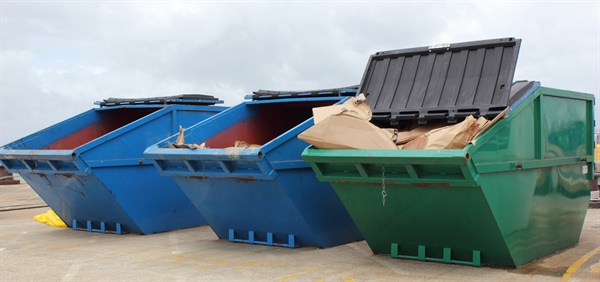
Commercial waste regulations directly shape how businesses manage daily operations, long-term costs, and legal risk. From local ordinances to federal environmental laws, waste disposal rules determine how trash, recyclables, and regulated materials must be handled once they leave a business property. These requirements affect nearly every industry, including retail, manufacturing, healthcare, construction, and food service. Understanding how these rules apply is not optional, as enforcement agencies routinely audit disposal practices and track waste streams from generation to final processing.
Businesses working with providers such as The Trash Man often encounter questions around regulatory scope, documentation, and operational responsibilities tied to commercial waste services. Regulations govern what materials can be disposed of together, how recyclables must be separated, and what records must be maintained. The sections below examine the most common regulatory frameworks, compliance challenges, and enforcement outcomes that businesses face when managing commercial waste.
Local, State, and Federal Commercial Waste Disposal Regulations
Commercial waste disposal in the United States is governed by a layered regulatory system that includes municipal ordinances, state environmental statutes, and federal law. At the federal level, the Resource Conservation and Recovery Act (RCRA) establishes the framework for managing solid and hazardous waste. RCRA sets standards for waste generation, transportation, treatment, storage, and disposal, and applies to most commercial entities regardless of size. The Environmental Protection Agency enforces these rules and delegates oversight authority to state agencies.
State regulations expand on federal requirements and often introduce stricter controls. In Iowa, commercial waste handlers and generators must comply with state solid waste regulations administered through environmental protection agencies. These rules govern landfill usage, recycling mandates, and reporting obligations. Businesses must also comply with licensing requirements for waste haulers and approved disposal facilities, ensuring that waste is transported and processed lawfully.
Local governments add another layer through city and county ordinances. These rules may dictate container placement, service frequency, separation requirements, and acceptable waste types. Businesses relying on commercial waste services must follow these local standards to avoid violations tied to improper disposal or unauthorized hauling.
Maintaining Compliance with Hazardous Waste Disposal Requirements
Hazardous waste compliance begins with accurate waste identification. Businesses must determine whether materials qualify as hazardous under EPA definitions, which include characteristics such as ignitability, corrosivity, reactivity, or toxicity. Once identified, hazardous waste must be segregated from general trash and managed according to strict labeling, storage, and handling rules.
Generators are required to track hazardous waste from creation through disposal using manifests and recordkeeping systems. Storage time limits apply based on generator classification, and improper accumulation can result in violations. Businesses must also use licensed transporters and approved treatment or disposal facilities to maintain compliance throughout the waste stream.
Working with experienced providers such as The Trash Man helps businesses align operational practices with regulatory requirements by ensuring waste streams are properly classified, contained, and routed through compliant disposal channels.
Common Commercial Waste Compliance Errors and Prevention Strategies
One of the most frequent compliance mistakes involves improper waste segregation. Mixing regulated materials with standard trash or recyclables can violate disposal rules and contaminate entire loads. This issue often stems from unclear internal procedures or inadequate employee training.
Another common error is incomplete documentation. Missing manifests, expired permits, or inaccurate waste records expose businesses to enforcement action even when disposal practices appear correct. Regulatory agencies rely heavily on documentation to verify compliance, making record accuracy a critical obligation.
Businesses can avoid these mistakes by establishing clear waste handling protocols, conducting regular audits, and keeping written procedures aligned with current regulations. Ongoing training and periodic reviews reduce the likelihood of operational drift that leads to violations.
Differences Between Recycling Requirements and Trash Disposal Rules
Recycling regulations focus on material recovery and diversion rather than disposal. Unlike trash, recyclable materials must be separated, uncontaminated, and delivered to approved recycling facilities. Many jurisdictions mandate recycling for specific material types such as cardboard, metals, and plastics generated by commercial operations.
Trash disposal rules prioritize containment, transport safety, and landfill compliance. Waste must be placed in approved containers and serviced according to local schedules. Unlike recyclables, trash is subject to landfill restrictions and tipping fees, which are influenced by volume and material composition.
Failure to follow recycling rules can lead to contamination penalties or rejected loads, while improper trash disposal may result in fines or service disruptions. Understanding the operational differences between these waste streams is essential for regulatory compliance.
Financial and Legal Penalties for Commercial Waste Non-Compliance
Non-compliance with commercial waste regulations can result in substantial financial penalties. Federal violations under RCRA may carry civil fines reaching tens of thousands of dollars per day, depending on the severity and duration of the violation. State and local agencies impose additional fines for ordinance violations, improper hauling, or landfill misuse.
Beyond fines, businesses may face corrective action orders, mandatory audits, or operational shutdowns until violations are resolved. Repeated or willful violations increase enforcement severity and may trigger criminal liability in extreme cases.
Businesses that rely on accurate regulatory guidance and documented waste handling practices are better positioned to avoid penalties while maintaining compliance with evolving rules. Information available through The Trash Man provides clarity on approved waste handling processes and regulatory expectations.
Commercial Waste Compliance Support You Can Rely On
Managing commercial waste regulations requires experience, consistency, and a clear understanding of local, state, and federal requirements. The Trash Man provides structured waste and recycling services that align with regulatory standards across Webster City and surrounding areas. Businesses benefit from reliable service schedules, compliant waste handling, and long-term operational stability.
Located at 1812 2nd Street, Webster City, IA 50595, The Trash Man supports businesses with waste removal, recycling coordination, and container solutions designed to meet regulatory expectations. For guidance on compliance, service options, or operational questions, contact the team at 515-832-5516 or visit contact us to discuss your commercial waste needs.