How Dumpster Rentals Support Efficient Home Renovation Cleanup
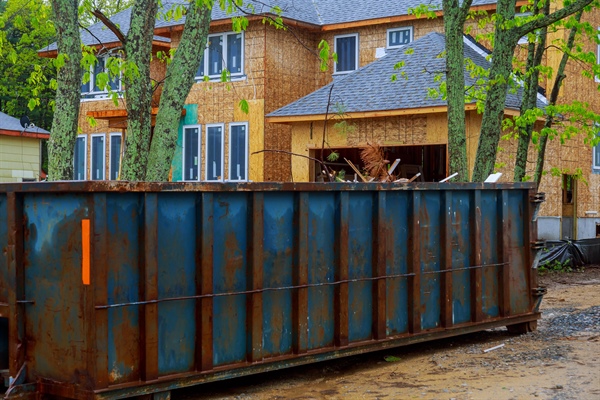
Home renovation projects generate far more waste than most homeowners expect. From torn-out drywall and old cabinetry to flooring, fixtures, and packaging materials, debris accumulates quickly and can interrupt progress if not managed properly. Understanding how dumpster rentals support renovation projects helps homeowners and contractors maintain a cleaner worksite while keeping disposal organized and compliant with local waste rules.
Renovation cleanup involves more than hauling debris away once work is complete. Waste must be handled throughout demolition, construction, and finishing stages to keep materials from piling up or becoming a hazard. The Trash Man has served communities for decades, offering insight into how structured waste removal fits into renovation planning. This article explores why renovations often require dumpsters, the types of debris involved, how rentals improve efficiency, safety considerations during disposal, and how recycling and trash are managed together.
For renovation projects that generate steady debris, a properly sized dumpster rental becomes a practical solution for maintaining order on-site.
Why Renovations Often Require On-Site Dumpster Rentals
Renovation work creates waste at every phase, beginning with demolition and continuing through installation and finishing. Removing old materials such as drywall, flooring, insulation, and fixtures produces bulky debris that cannot be handled through standard household trash services. Renovation debris also accumulates faster than most curbside systems are designed to handle.
Without a designated disposal container, renovation waste tends to collect in garages, driveways, or yards, increasing the risk of damage and slowing down work. An on-site dumpster allows waste to be discarded immediately, preventing clutter and reducing unnecessary handling. This approach supports steady project flow and limits interruptions caused by repeated trips to disposal facilities.
For projects that involve sustained material removal, a dumpster rental provides a centralized solution that aligns with local disposal regulations and accommodates renovation-scale debris.
Common Types of Renovation Waste Placed in Dumpster Rentals
Renovation dumpsters are commonly used for materials removed during demolition and remodeling. These include drywall, lumber, tile, carpeting, roofing shingles, cabinets, countertops, and non-hazardous fixtures. Packaging from new materials, such as cardboard and plastic wrap, also contributes to disposal volume.
Renovation waste often mixes heavy materials with lightweight debris, making standard trash bins insufficient. Large items such as vanities, doors, or flooring sections require a container designed to handle irregular shapes and weight without exceeding local service limits.
Waste service providers such as The Trash Man manage dumpsters that are intended for renovation debris while guiding users on materials that require separate handling or specialized disposal.
How Dumpster Rentals Reduce Cleanup Time During Renovations
Time efficiency is a major factor during renovation projects, particularly when multiple trades are involved. Dumpster rentals allow crews and homeowners to dispose of debris immediately rather than staging waste for later removal. This reduces repeated handling and minimizes downtime between work phases.
Having a single disposal point eliminates the need for frequent trips to landfills or transfer stations. This keeps labor focused on renovation tasks rather than transportation and sorting. Continuous waste removal also prevents debris from interfering with tools, materials, and access points.
By keeping the work area clear, dumpster rentals help renovation schedules remain predictable and reduce delays caused by cluttered or unsafe conditions.
Safety Considerations When Disposing Renovation Debris
Renovation debris presents safety risks when not managed properly. Sharp objects such as broken tile, nails, and metal fixtures can cause injuries if left exposed. Piles of debris also increase the likelihood of trips, falls, and blocked exits.
Using a dumpster encourages immediate disposal of hazardous materials, reducing on-site exposure. Proper loading practices, such as distributing weight evenly and avoiding overfilled containers, help prevent shifting or spillage during removal.
Clear disposal procedures contribute to safer renovation environments, particularly when multiple workers or household occupants are present.
Managing Recycling and Trash Together During Renovations
Renovation projects generate both recyclable and non-recyclable materials. Cardboard packaging, certain metals, and clean wood may be eligible for recycling, while contaminated or composite materials require disposal as trash.
Separating recyclable materials during renovation helps reduce landfill use and aligns with local recycling programs. This often involves designating specific containers or coordinating with waste providers that support recycling alongside dumpster services.
Companies such as The Trash Man provide guidance on handling mixed renovation waste while maintaining compliance with local disposal and recycling standards.
Professional Waste Solutions for Renovation Projects
The Trash Man provides waste removal and recycling services for residential and renovation projects in Webster City, IA. Located at 1812 2nd Street, Webster City, IA 50595, the company supports homeowners and contractors with structured disposal options that match renovation timelines and material volumes.
With decades of experience handling renovation debris, The Trash Man offers clear guidance on dumpster sizing, acceptable materials, recycling coordination, and safe disposal practices. These services help maintain organized job sites while supporting responsible waste handling.
To learn more about how renovation waste can be managed effectively, contact The Trash Man at 515-832-5516 or visit their contact us page for additional information.