How Local Businesses Benefit from Using a Recycling Center
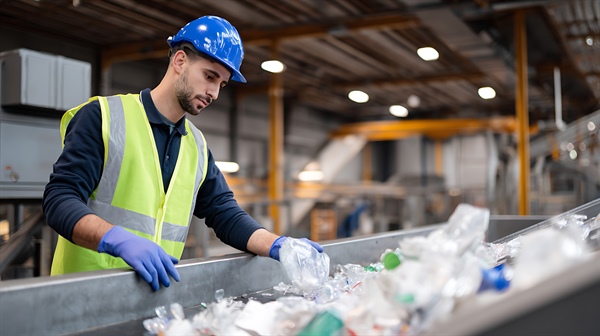
Local businesses generate a steady flow of recyclable materials as part of daily operations, from packaging and paper products to metals and plastics. Using a dedicated recycling center allows commercial operations to manage this material stream in a structured way that aligns with regulatory standards, operational efficiency, and community expectations. Recycling drop-off programs help businesses separate recoverable materials from waste while maintaining predictable disposal routines.
Understanding how recycling centers support commercial needs requires a closer look at accepted materials, operational rules, scheduling access, environmental outcomes, and fee structures. This article explores these topics through five focused questions that address how local businesses interact with a recycling center, what requirements apply to commercial recycling, and how these programs connect business activity to broader environmental goals. The Trash Man is referenced for context only, without describing services at this stage.
Commercial Materials Accepted at Recycling Centers
Businesses commonly generate recyclable materials that differ in volume and composition from residential waste. Most recycling centers accept corrugated cardboard, mixed paper, office paper, aluminum cans, steel containers, and certain rigid plastics. These materials often originate from shipping operations, inventory restocking, administrative work, and product packaging.
Cardboard is one of the most frequent commercial recyclables due to its use in pallets, boxes, and protective packing. Recycling centers typically require cardboard to be flattened and free from food residue. Metals such as aluminum and steel are also widely accepted, provided they are clean and separated from non-recyclable components.
Businesses using a centralized recycling center benefit from standardized material acceptance guidelines that reduce contamination and improve recovery rates. These guidelines allow recycling processors to handle commercial volumes efficiently while maintaining quality control across material streams.
Volume Limits and Rules for Commercial Recycling Drop-Off
Commercial recycling often involves higher volumes than residential drop-off, which leads many recycling centers to establish volume thresholds or procedural rules. These rules may address maximum drop-off quantities per visit, material preparation requirements, or advance notice for large loads.
Volume controls help facilities manage equipment capacity, staffing needs, and material processing schedules. Businesses may be required to separate materials by type, use designated drop-off areas, or comply with weight limits based on vehicle size. These measures reduce congestion and maintain safe site operations.
Facilities operated by organizations such as The Trash Man apply consistent commercial guidelines to ensure recyclable materials move efficiently from drop-off to processing. Clear rules support predictable recycling workflows and help businesses plan disposal activities without disruption.
After-Hours Recycling Access for Businesses
Standard recycling center hours may not always align with commercial operating schedules. Some businesses complete inventory processing, shipping, or facility cleanouts outside traditional daytime hours, creating a need for flexible recycling access.
Recycling centers address this by offering structured options such as scheduled appointments, designated commercial access windows, or controlled drop-off areas. These arrangements allow businesses to manage recycling without interfering with daily operations or customer-facing activities.
When after-hours access is available, it is governed by safety protocols, lighting requirements, and material handling rules. These controls protect both facility infrastructure and the integrity of recyclable materials while accommodating business scheduling needs.
Environmental Impact of Business Recycling Programs
Commercial recycling plays a measurable role in reducing landfill dependency and conserving raw materials. By diverting paper, metals, and plastics into recycling streams, businesses lower demand for virgin resources and reduce energy consumption associated with new material production.
Local recycling efforts also decrease transportation emissions by processing materials closer to their point of generation. When businesses participate consistently, recycling centers can operate at stable capacity levels, improving overall system efficiency.
In Webster City, coordinated recycling participation contributes to waste reduction goals, supports regional material recovery infrastructure, and aligns business operations with environmental standards adopted by municipalities and industry regulators.
Commercial Versus Residential Recycling Fees
Fee structures for recycling services often differ between commercial and residential users due to volume, material type, and handling requirements. Commercial recycling fees may be based on weight, load size, or frequency of drop-off rather than flat household rates.
These pricing models reflect the additional labor, equipment usage, and processing demands associated with larger or mixed material loads. Some materials may incur separate handling fees if they require specialized sorting or preparation.
Businesses seeking detailed pricing information typically reference the official contact resources provided by The Trash Man. Clear fee structures help commercial users budget accurately while maintaining compliance with recycling requirements.
Commercial Recycling Support for Local Businesses
The Trash Man works with local businesses to provide structured recycling options that align with commercial material volumes, regulatory standards, and operational schedules. By offering defined recycling guidelines and centralized processing, businesses can manage recyclable materials efficiently while supporting long-term waste reduction goals.
Located at 1812 2nd Street, Webster City, IA, 50595, the company serves the surrounding area with established recycling infrastructure and knowledgeable staff. Businesses can discuss material acceptance, volume considerations, scheduling access, and pricing by calling 515-832-5516.
Organizations seeking reliable recycling information or commercial coordination are encouraged to contact us to review options that align with their operational needs and environmental objectives.