How Residents Can Reduce Recycling Contamination at Home
Recycling programs rely on residents placing the right materials in the correct containers, yet contamination remains one of the most persistent challenges facing residential recycling systems. When non-recyclable or improperly prepared items enter the recycling stream, they reduce material value, slow processing, and increase disposal costs. Understanding how everyday habits affect recycling outcomes is the first step toward improving system performance and protecting the materials that can be successfully recovered and reused.
How Residents Can Reduce Recycling Contamination focuses on the actions households can take to keep recyclable materials clean, sortable, and market-ready. This article addresses the most common contaminants found in residential bins, explains how contamination disrupts material recovery facilities, and outlines curbside practices that improve recycling quality. It also examines whether in-home sorting stations make a measurable difference and highlights education resources available to residents. Drawing on experience and operational standards used by The Trash Man, this guide reflects how residential recycling programs are designed to work when materials are placed correctly. For background on accepted materials and collection standards, residents can reference local recycling services guidelines.
Biggest Sources of Contamination in Residential Recycling Bins
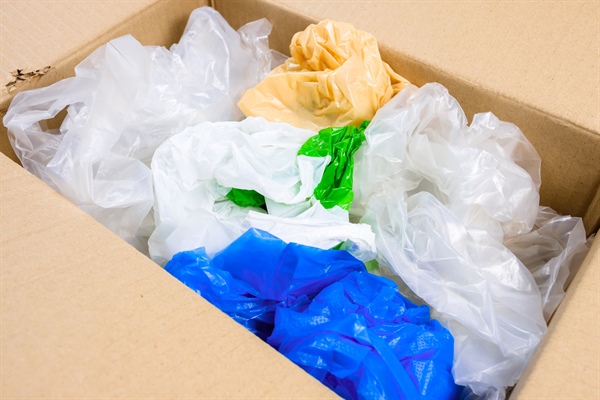
The most significant contaminants in residential recycling come from items that resemble recyclable materials but cannot be processed by standard equipment. Plastic bags, food-contaminated containers, greasy cardboard, and non-recyclable plastics frequently enter curbside bins. These items either wrap around sorting machinery or degrade otherwise recyclable materials, causing entire loads to be rejected. Items such as garden hoses, clothing, and small household trash are also common contaminants because they are often mistakenly assumed to be recyclable.
Food residue is another major contributor to contamination. Containers that are not emptied or lightly rinsed introduce organic waste into the recycling stream, which spreads moisture and odor. This contamination reduces the resale value of paper and cardboard and can lead to mold growth during storage and transport. Glass contaminated with food waste also becomes harder to sort and increases breakage rates inside material recovery facilities.
Local recycling programs are designed around specific material lists, and deviations from those lists drive contamination rates higher. Residents who review accepted items through municipal or provider guidance, such as published recycling services standards, are far less likely to place disruptive materials in their bins. Clear alignment between household behavior and processing capability is the foundation of contamination reduction.
How Recycling Contamination Disrupts Material Recovery Facilities
Material recovery facilities rely on a combination of mechanical, optical, and manual sorting systems to separate recyclables by type. Contaminants interfere with these systems by jamming conveyors, clogging screens, and forcing shutdowns for manual removal. Plastic bags and flexible films are especially problematic because they entangle rotating equipment, increasing downtime and maintenance costs.
When contamination levels exceed acceptable thresholds, entire loads may be diverted to landfill rather than processed. This outcome negates the environmental benefit of recycling and increases disposal costs for service providers and municipalities. Contaminated paper bales, for example, may be rejected by downstream mills due to food residue or mixed materials, reducing the overall efficiency of the recycling system.
Consistent residential behavior plays a direct role in facility performance. Programs that emphasize clear separation at the curb experience fewer disruptions and higher recovery rates. Residential programs tied to structured residential services models tend to publish precise material lists to reduce guesswork and protect processing infrastructure.
Best Curbside Practices That Improve Recycling Quality
Effective curbside recycling begins with proper preparation of materials. Containers should be empty, free of food residue, and placed loosely in the bin rather than bagged. Bagged recyclables are treated as contamination in most systems because facilities cannot open bags during processing. Flattening cardboard and keeping paper dry also improves sorting efficiency and material quality.
Residents should avoid placing small items such as bottle caps, shredded paper, or broken glass loosely in recycling bins. These materials often fall through sorting screens and contaminate other streams. Keeping recyclables within size and material guidelines reduces loss and improves recovery rates across all categories.
Following published collection schedules and bin placement rules further supports clean recycling streams. Overfilled bins and loose materials increase the risk of spillage and cross-contamination during collection. Adhering to established curbside standards allows recycling systems to operate as designed and limits unnecessary processing disruptions.
Effectiveness of Separate Sorting Stations Inside the Home
In-home sorting stations can reduce contamination when they are designed around the same material categories used by local recycling programs. Separate containers for recyclables and trash help reinforce correct habits and reduce last-minute sorting errors at the curb. Clear labeling is critical, as vague or inconsistent bins can introduce confusion rather than clarity.
Sorting stations are most effective in households that generate diverse waste streams, such as families with frequent food packaging or paper waste. When residents rinse containers and separate materials immediately after use, contamination is less likely to occur later. This approach also prevents food residue from spreading across otherwise clean materials.
However, sorting stations must align with local acceptance rules. Adding extra categories that are not supported by curbside collection can increase contamination if residents assume all separated materials are recyclable. Successful in-home systems mirror published recycling requirements and reinforce correct material placement.
Local Education Resources That Reduce Recycling Contamination
Education is one of the most effective tools for reducing recycling contamination. Service providers and municipalities often publish material lists, preparation guidelines, and seasonal reminders to address common problem items. These resources help residents stay informed as recycling markets and processing capabilities change.
Community outreach efforts such as printed guides, website updates, and direct customer communication reinforce correct recycling behavior. Educational content that explains why certain items are excluded tends to be more effective than lists alone, as it builds understanding rather than reliance on memorization.
Residents seeking clarification or updated guidance can reference provider-specific information through The Trash Man website at The Trash Man, which reflects accepted materials and local processing standards used in Webster City, Iowa.
How Professional Waste Services Support Cleaner Recycling Outcomes
Reducing recycling contamination requires alignment between resident behavior, collection practices, and processing capabilities. The Trash Man supports this alignment by providing clear recycling guidelines, consistent residential collection services, and access to local recycling infrastructure designed for accepted materials. These systems help maintain material quality from curbside to processing.
Located at 1812 2nd Street, Webster City, IA, 50595, The Trash Man operates with a focus on long-term service reliability and system efficiency. Residents can contact the team directly at 515-832-5516 to clarify accepted materials, preparation requirements, or collection schedules that affect recycling quality.
For residents seeking additional guidance or service information, visiting the company’s contact us page provides direct access to support resources that address recycling contamination and overall residential waste management.