How to Choose the Right Dumpster or Roll-Off Container for Your Business
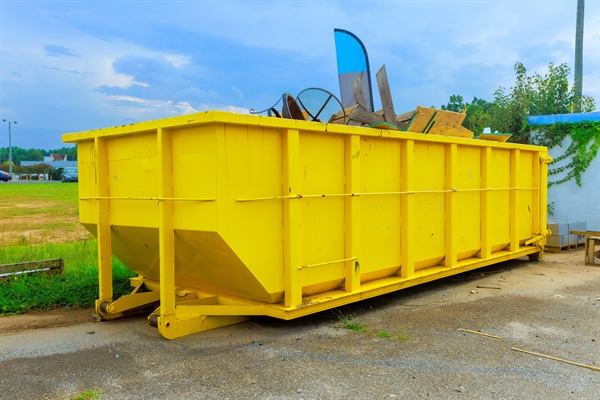
Choosing the right dumpster or roll-off container is a practical decision that affects daily operations, safety, compliance, and cost control for any business that generates waste. Restaurants, retail stores, construction sites, and industrial facilities all produce different waste streams, and each requires a container solution that aligns with volume, material type, access constraints, and service frequency. Selecting the wrong container often results in overflow, unnecessary hauling charges, or workflow disruptions that could have been avoided with accurate planning and data-backed sizing.
This guide explains how businesses can evaluate container sizes, waste volume, container styles, and planning methods used across commercial and construction environments. Drawing on decades of regional waste service experience from The Trash Man, the sections below address common operational questions around dumpster sizing, roll-off selection, volume estimation, and planning errors. Each section builds practical knowledge that helps decision-makers compare options logically and understand how container selection ties directly to efficiency and compliance. Businesses seeking structured commercial waste solutions can explore available commercial services to better understand how container types are applied across industries.
Dumpster Size Differences for Restaurants and Retail Businesses
Restaurants and retail stores generate waste at different rates and with different material compositions, which directly affects dumpster sizing requirements. Restaurants typically require dumpsters ranging from 2-yard to 6-yard containers due to the high daily output of food waste, packaging, and disposable service items. Food waste is dense, decomposes quickly, and often requires more frequent service to control odors and meet health standards. Smaller containers serviced multiple times per week are commonly used to prevent overloading and contamination.
Retail stores usually generate waste that is lighter and more uniform, such as cardboard, plastic wrap, and product packaging. These businesses often benefit from 4-yard to 8-yard dumpsters with scheduled service based on inventory turnover and seasonal volume increases. Flattened cardboard and dry waste allow retail dumpsters to maximize capacity without exceeding weight thresholds. Retail operations with high shipment volumes often pair trash dumpsters with recycling containers to separate corrugated cardboard efficiently.
Understanding waste density and pickup frequency is critical when selecting a dumpster size. Restaurants prioritize odor control and sanitation, while retail businesses prioritize volume efficiency and recycling access. Commercial container planning commonly follows standards applied across commercial services to ensure container sizes match operational realities without excess hauling or overflow.
Planning Waste Container Needs for Construction Sites
Construction sites generate variable waste streams that change by project phase, making container planning a staged process rather than a single decision. Early demolition phases often require large roll-off containers ranging from 20-yard to 40-yard capacities to handle concrete, drywall, lumber, and roofing materials. These materials are bulky and heavy, requiring containers designed for safe loading and transport under weight regulations.
As construction progresses into framing, finishing, and cleanup stages, waste volume decreases, and material types diversify. Mixed debris, packaging, scrap wood, and light construction waste are typically managed using smaller roll-off containers or a combination of dumpsters with scheduled swaps. Site access, equipment movement, and local regulations influence container placement and pickup frequency throughout the project timeline.
Effective planning relies on estimating debris volume per phase, confirming allowable materials, and scheduling timely container removal to avoid site congestion. Many construction projects follow standardized planning models similar to those applied by The Trash Man, where container sizing and hauling schedules are aligned with project milestones and disposal regulations. Guidance from providers such as The Trash Man reflects established best practices used across regional construction environments.
Choosing Between Roll-Off and Rear-Load Waste Containers
The decision between a roll-off container and a rear-load dumpster depends on waste volume, service frequency, and site layout. Roll-off containers are designed for temporary or high-volume waste generation and are commonly used for construction, renovations, cleanouts, and large commercial projects. These containers range from 10-yard to 40-yard sizes and are serviced by being removed and replaced rather than emptied onsite.
Rear-load dumpsters are intended for ongoing waste generation with regular scheduled service. These containers are emptied mechanically by collection trucks and returned to the same location, making them suitable for restaurants, retail centers, offices, and multi-tenant properties. Rear-load containers support predictable waste streams and are available in smaller capacities that fit confined spaces.
Additional determining factors include available space, surface conditions, allowable weight limits, and local access restrictions. Roll-off containers require clearance for delivery and removal, while rear-load dumpsters require accessible enclosures and consistent truck access. Matching container type to operational use reduces service interruptions and prevents logistical conflicts.
Estimating Waste Volume Before Renting a Dumpster or Roll-Off
Accurate waste volume estimation begins with reviewing historical disposal data, if available, including pickup frequency, container fill levels, and weight records. Businesses without prior data often estimate volume by measuring waste generated over a defined period, accounting for material type and compaction potential. Dense materials such as food waste and construction debris require more conservative volume estimates than lightweight packaging materials.
Operational changes such as seasonal demand, renovations, or staffing increases should be factored into volume calculations. Estimation methods often include square footage benchmarks, waste generation averages by industry, and material density charts. Overestimating slightly is typically preferred to avoid overflow, while underestimating increases the risk of unscheduled hauls and compliance issues.
Volume estimation is most effective when businesses assess waste at multiple points during operations rather than relying on single-day observations. Structured estimation reduces unnecessary hauling and supports container selection aligned with actual usage patterns.
Common Dumpster and Roll-Off Selection Mistakes to Avoid
One of the most frequent mistakes businesses make is selecting a container based solely on cost rather than waste characteristics. Choosing a smaller container to reduce rental fees often results in overflow, excess pickups, and contamination violations. Another common error is failing to account for weight limits, which can lead to overage charges even when containers appear visually underfilled.
Ignoring site logistics is another recurring issue. Containers placed without considering truck access, clearance, or surface durability often require repositioning or cause service delays. Businesses also frequently overlook material restrictions, placing prohibited items into containers that require specialized disposal, leading to rejected pickups or regulatory penalties.
Effective container selection requires aligning size, type, placement, and service schedules with actual operational needs. Businesses that follow documented planning approaches used by providers such as The Trash Man reduce avoidable errors and maintain consistent waste handling practices.
Reliable Commercial Dumpster and Roll-Off Planning Support
Businesses across Webster City rely on The Trash Man for structured waste solutions that align with operational demands and regulatory requirements. With over 20 years of experience serving commercial and construction clients, the company applies proven container planning methods that account for waste volume, material type, site access, and service frequency. These practices help businesses avoid common sizing errors while maintaining clean, efficient operations.
From restaurants and retail stores to construction sites and industrial facilities, container selection is guided by data-backed planning and consistent service standards. The Trash Man operates from 1812 2nd Street, Webster City, IA 50595, and supports local businesses with dependable service coordination and responsive communication.
To discuss dumpster sizing, roll-off options, or container planning for your business, contact The Trash Man at 515-832-5516 or reach out through their contact us page to connect with their experienced team.