How to Prevent Trash and Recycling Bins From Damage or Loss
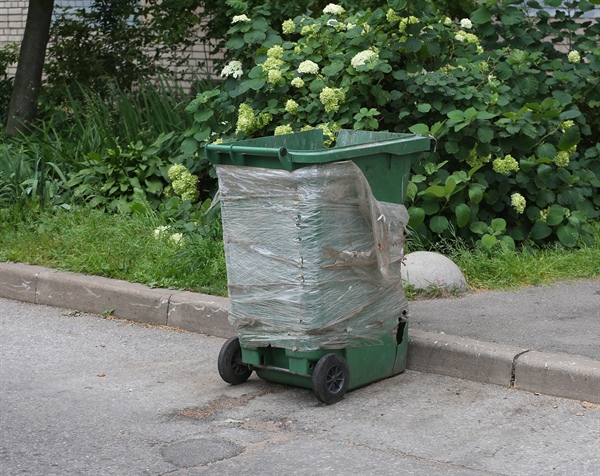
Trash and recycling bins are easy to overlook until they crack, tip over, or disappear altogether. Damaged or missing carts create delays in service, clutter neighborhoods, and often lead to unexpected replacement costs. Many of these issues stem from common factors such as improper placement, repeated collection-day impacts, and environmental exposure. Understanding why bins fail and how they move out of place helps reduce long-term wear while keeping waste collection efficient and predictable.
This article explains how everyday conditions affect trash and recycling carts and what can be done to protect them. Topics include why bins are damaged or lost, how placement affects durability, how weather plays a role, which accessories improve stability, and what steps to take if a bin is no longer usable. These practices align with service standards used by The Trash Man and similar providers, and they help residents maintain reliable trash removal without unnecessary interruptions.
Why Trash and Recycling Bins Get Damaged or Go Missing
Most trash and recycling bins are designed to withstand routine handling, but repeated stress causes gradual failure. Damage often occurs when carts are struck by collection vehicles, overfilled beyond weight limits, or placed too close to fixed objects. Cracked wheels, broken lids, and warped bodies usually result from mechanical lifting combined with uneven ground or improper positioning at the curb.
Bins also go missing due to wind movement, vehicle contact, or mix-ups during collection. Identical carts placed close together can be unintentionally swapped, especially in dense residential areas. In some cases, bins slide into streets or drainage areas after being emptied, making retrieval difficult. These issues are well-documented across residential service areas and are not tied to usage alone.
Reducing damage starts with understanding how collection systems operate. Automated and semi-automated trucks require clear access and stable placement. Proper use supports consistent trash removal and lowers the likelihood of cart loss or structural failure.
Best Placement Tips to Protect Bins on Collection Day
Placement directly affects bin longevity. Carts should be positioned on level ground with wheels facing the residence, allowing collection arms to engage correctly. Placing bins too close to mailboxes, vehicles, or utility poles increases the risk of impact damage during lifting and return.
Spacing between carts matters as well. A minimum gap allows the collection equipment to grip each container independently. When bins are clustered together, they may collide during automated handling, which accelerates cracking at stress points such as wheel mounts and lid hinges.
Clear placement also supports efficient recycling services. Consistent positioning reduces missed pickups and minimizes cart movement after emptying, which helps keep bins upright and accessible.
How Weather and Wind Contribute to Bin Damage and Loss
Environmental exposure plays a measurable role in bin degradation. High winds frequently tip empty carts, causing them to roll into streets or neighboring properties. Repeated tipping weakens wheel axles and fractures plastic housings, especially in colder climates where materials become brittle.
Sun exposure contributes to fading and plastic fatigue over time. Ultraviolet radiation reduces flexibility, making bins more prone to cracking under load. Rain and snow add weight when lids are left open, which increases strain during lifting and may lead to structural deformation.
Weather-related movement is a leading cause of lost bins. Once displaced, carts may be damaged by passing vehicles or collected unintentionally. Awareness of forecast conditions helps residents adjust placement to reduce these risks.
Simple Accessories That Keep Bins Secure and Upright
Several low-impact accessories help stabilize trash and recycling carts. Weighted bases, wheel chocks, and ground anchors limit movement during high winds. These solutions are commonly used in open or elevated areas where gusts are frequent.
Lid locks and elastic straps prevent lids from opening, reducing wind resistance and limiting rain or snow accumulation. Keeping lids closed maintains proper weight balance and reduces stress on hinges during lifting.
Bin enclosures and designated pads provide additional protection by creating defined storage areas. These accessories do not interfere with collection when used correctly and contribute to longer service life.
What to Do If Your Trash or Recycling Bin Is Lost or Broken
If a bin is damaged beyond use or cannot be located, the first step is to document the issue. Note the type of damage, last collection date, and approximate location where the bin was placed. This information helps determine whether the issue occurred during collection or after service.
Many providers maintain replacement and repair protocols to address these situations. Reporting issues promptly helps restore service quickly and prevents missed pickups. Delays often lead to overflow or improper disposal, which can create compliance concerns.
For residents serviced by The Trash Man, contacting the provider directly ensures accurate tracking and resolution. Clear communication reduces downtime and supports consistent waste management.
Reliable Support for Trash and Recycling Bin Issues
The Trash Man provides residential waste and recycling services designed to reduce common bin-related problems. With established handling standards and local service knowledge, their team helps maintain cart condition and placement consistency across service routes.
Located at 1812 2nd Street, Webster City, IA, 50595, The Trash Man serves the Webster City area with dependable scheduling and responsive customer support. Residents experiencing damaged or missing bins can call 515-832-5516 to report issues and request assistance.
Whether addressing placement concerns, weather-related damage, or replacement needs, their staff works directly with customers to restore service quickly. For more information or to request help, visit contact us.