What Materials Are Allowed — and Not Allowed — in Your Dumpster
Knowing what materials are allowed — and not allowed — in your dumpster is a key part of managing waste responsibly. From home cleanouts to construction projects, different materials come with different disposal rules, and placing the wrong items into a container can lead to safety risks, environmental harm, or disposal violations. Local landfill regulations, environmental laws, and weight limits all influence what can legally and safely go into a dumpster.
This article explains how common materials are handled, including construction debris, hazardous waste, furniture, and heavy materials. Using industry practices followed by The Trash Man, each section addresses a specific disposal question so readers can understand why certain items are accepted while others require separate handling. If you are planning a project that involves dumpster rental, understanding these rules helps prevent delays and ensures proper waste management.
Are Construction Materials Like Drywall and Lumber Accepted in Dumpsters?
Most dumpsters are designed to accept standard construction and demolition debris, including drywall, lumber, plywood, and framing materials. These items are commonly generated during remodeling, roofing, and renovation projects and are processed at construction and demolition landfills. Drywall, also known as gypsum board, is typically accepted as long as it is free from excessive moisture or contamination.
Lumber and wood waste are generally allowed when they are untreated or free from hazardous coatings. Painted or pressure-treated wood may require additional review due to chemical preservatives. Nails, screws, and fasteners embedded in wood are standard and do not prevent disposal. Construction debris is often sorted after collection to separate recyclable wood from landfill-bound materials.
Projects involving demolition or remodeling often rely on dumpster rental to handle drywall and lumber efficiently. Proper loading, such as breaking down large sheets and stacking materials evenly, helps maintain container stability and keeps debris within permitted limits.
How Hazardous Materials Must Be Handled Differently From Regular Waste
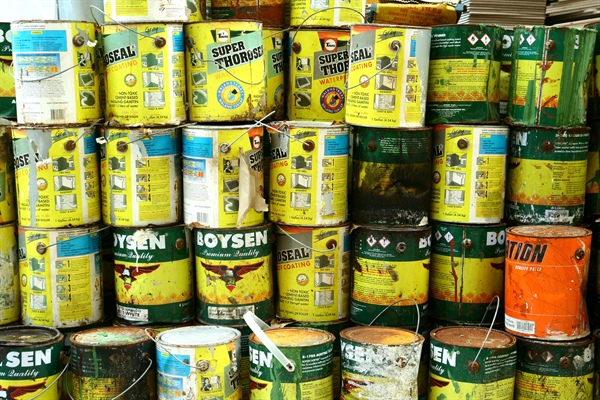
Hazardous materials require specialized handling because they pose risks to human health, sanitation workers, and the environment. Items such as paints, solvents, pesticides, automotive fluids, batteries, and chemicals are regulated under state and federal disposal laws. These materials are not permitted in standard dumpsters because they can leak, react, or contaminate other waste.
Hazardous waste must be taken to approved collection facilities where it can be treated, neutralized, or recycled safely. Many communities offer designated drop-off events or permanent household hazardous waste centers. These programs are designed to prevent chemicals from entering landfills or water systems.
Waste haulers like The Trash Man follow disposal regulations that prohibit hazardous items from being placed in dumpsters. This separation protects equipment, landfill staff, and the surrounding environment while keeping disposal operations compliant.
Disposing of Old Furniture and Household Items in a Dumpster
Old furniture and general household items are commonly accepted in dumpsters, making them suitable for estate cleanouts, moves, or downsizing projects. Items such as couches, chairs, tables, mattresses, dressers, and shelving units can usually be disposed of as long as they do not contain hazardous components.
Appliances, electronics, and items containing refrigerants or electronic circuitry often fall under separate disposal rules. Many jurisdictions require appliances to be recycled due to metal recovery and environmental regulations. Household clutter made of wood, fabric, or plastic typically presents no disposal issues.
Breaking down large furniture into smaller sections improves space efficiency and reduces shifting during transport. Even distribution of bulky items helps maintain safe hauling conditions and aligns with landfill acceptance standards.
Materials That Should Never Go Into a Rented Dumpster
Certain materials are universally prohibited from dumpsters due to safety, environmental, or legal concerns. These include hazardous chemicals, medical waste, asbestos-containing materials, tires, propane tanks, fuel containers, and radioactive or biohazardous items. These materials require specialized processing and cannot be handled through normal waste streams.
Liquids of any kind are typically restricted because they can leak during transport and contaminate other waste. This includes oil, paint, cleaning chemicals, and liquid adhesives. Explosive or pressurized items pose additional risks to equipment and landfill operations.
Disposal restrictions are enforced to protect workers, landfill infrastructure, and groundwater. Understanding these prohibitions prevents fines, rejected loads, and environmental violations.
How Dumpster Weight Limits Affect What You Can Place Inside
Every dumpster has a defined weight limit based on container size and hauling capacity. Heavy materials such as concrete, dirt, brick, roofing shingles, and asphalt reach these limits quickly. Exceeding weight limits can create unsafe transport conditions and may result in additional disposal fees.
Weight limits are set to protect hauling equipment, roadways, and landfill scales. Even materials that are otherwise allowed may need to be limited in volume when they are especially dense. Mixing heavy debris with lighter materials helps distribute weight more evenly.
Understanding weight restrictions helps customers plan disposal efficiently. For questions about acceptable loads or weight management, contacting The Trash Man provides clarity based on local disposal standards and container specifications.
Reliable Dumpster Rental and Waste Disposal Services in Webster City
The Trash Man provides professional waste removal and dumpster rental services for residential, commercial, and construction projects throughout Webster City, Iowa. With a clear understanding of landfill regulations and material restrictions, the company helps customers dispose of debris safely and responsibly.
From construction materials and household cleanouts to weight management and restricted items, The Trash Man offers guidance based on industry standards and local requirements. Their experience ensures that dumpsters are used correctly and that waste is handled according to environmental and safety regulations.
To discuss your project or ask questions about acceptable materials, contact The Trash Man at The Trash Man or visit their location at 1812 2nd Street, Webster City, IA 50595. You can also reach out online through their contact us page to schedule service or request additional information.