How Should Residents Prepare Items Before Bringing Them to the Recycling Center?
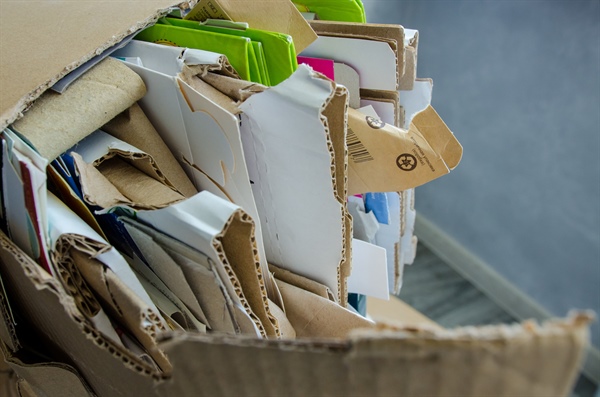
Preparing items correctly before visiting a recycling center plays a direct role in whether those materials can actually be recycled. Small steps taken at home—such as cleaning containers, breaking down boxes, and separating materials—help reduce contamination and keep recycling systems operating efficiently. Communities that follow proper preparation practices experience fewer rejected loads, lower processing costs, and higher recovery rates for usable materials. These efforts support long-term recycling programs and protect the integrity of local waste management operations.
Residents often have questions about how much preparation is needed and which steps matter most before drop-off. Topics such as rinsing containers, flattening cardboard, removing packaging components, handling special items, and understanding how preparation affects recycling outcomes are all part of responsible recycling habits. Guidance from established waste service providers like The Trash Man reflects widely accepted recycling standards used at facilities such as the local recycling center, where material quality directly affects processing success.
Why Rinsing Containers Before Recycling Is Important
Rinsing containers before recycling removes food residue, liquids, and organic matter that can contaminate entire loads of recyclable materials. Even small amounts of leftover food can spread moisture and bacteria, which compromise paper, cardboard, and certain plastics during processing. Recycling facilities rely on clean material streams to maintain equipment performance and meet material quality standards set by downstream manufacturers.
Unrinsed containers increase the likelihood that recyclable items will be rejected and diverted to landfills. Residue can cause odors, attract pests, and lead to mold growth during storage and transport. According to industry processing guidelines, containers do not need to be spotless, but visible food and liquid should be removed to protect other recyclables in the same load.
Facilities like a community recycling center process large volumes of mixed materials each day, and contamination slows sorting operations and raises handling costs. Rinsing containers supports cleaner material recovery and helps ensure plastics, metals, and glass can be successfully processed into new products.
How to Properly Flatten and Store Cardboard Boxes for Drop-Off
Flattening cardboard boxes before recycling reduces space usage and improves handling efficiency at processing facilities. Boxes should be fully broken down by removing packing materials, cutting tape seams if necessary, and pressing the cardboard flat. This allows more material to fit into collection bins and transport vehicles without obstruction.
Storing flattened cardboard in a dry location is equally important. Moisture weakens paper fibers, making cardboard harder to process and more likely to be rejected. Wet or grease-stained cardboard cannot be recycled and may contaminate other paper products. Residents are advised to keep cardboard indoors or covered until drop-off.
Waste providers such as The Trash Man follow processing standards that prioritize clean, dry cardboard streams. Properly prepared cardboard improves baling efficiency and supports higher-quality recycled paper output used by manufacturers.
Packaging Materials That Must Be Removed Before Recycling
Many consumer products use mixed packaging materials that must be separated before recycling. Plastic wrap, foam inserts, padded envelopes, and multilayer packaging often require removal because they are processed differently or not accepted at standard recycling facilities. Leaving these materials attached can cause entire items to be rejected.
Metal lids should be removed from glass jars, plastic film peeled off cardboard boxes, and non-paper components separated from paperboard packaging. Adhesives, wax coatings, and composite layers interfere with pulping and melting processes used in recycling operations.
Recycling systems depend on material uniformity to operate efficiently. Proper separation ensures that plastics, metals, paper, and glass enter the correct processing streams without cross-contamination.
Items That Require Special Preparation Before Recycling
Certain recyclable items require additional preparation to meet facility guidelines. Paper documents containing sensitive information should be shredded before recycling, as intact documents may pose privacy concerns. Shredded paper is typically accepted when bagged separately to prevent dispersal during sorting.
Electronics, batteries, and hazardous materials should never be placed with standard recyclables and often require designated drop-off programs. These items contain components that can damage equipment or pose safety risks if processed incorrectly.
Understanding preparation requirements helps prevent operational disruptions and protects workers and equipment throughout the recycling process.
How Proper Preparation Improves Recycling Quality
Proper preparation directly improves recycling quality by reducing contamination, increasing processing efficiency, and preserving material value. Clean, sorted materials move through recycling systems faster and require fewer manual interventions. This results in higher recovery rates and lower operational costs.
Recycling facilities measure quality based on contamination thresholds. Loads exceeding these limits may be rejected entirely, regardless of how much recyclable material they contain. Consistent preparation practices help communities meet these thresholds and sustain long-term recycling programs.
Residents seeking clarification on preparation guidelines can reference information provided by The Trash Man, which reflects local processing requirements and accepted industry standards.
How The Trash Man Supports Proper Recycling Preparation
Recycling preparation guidelines can vary by material type and facility requirements, and having accurate local information helps residents recycle with confidence. The Trash Man works with households and businesses to support proper waste sorting, recycling drop-off standards, and material handling practices throughout Webster City and surrounding areas.
Located at 1812 2nd Street in Webster City, IA 50595, The Trash Man provides recycling services designed to meet regional processing requirements. Residents with questions about acceptable materials, preparation steps, or recycling center guidelines can speak directly with their team by calling 515-832-5516 or visiting their contact us page for detailed guidance.